Common Mistakes to Avoid During Interior Photography Sessions in Rome
Understanding the Importance of Lighting
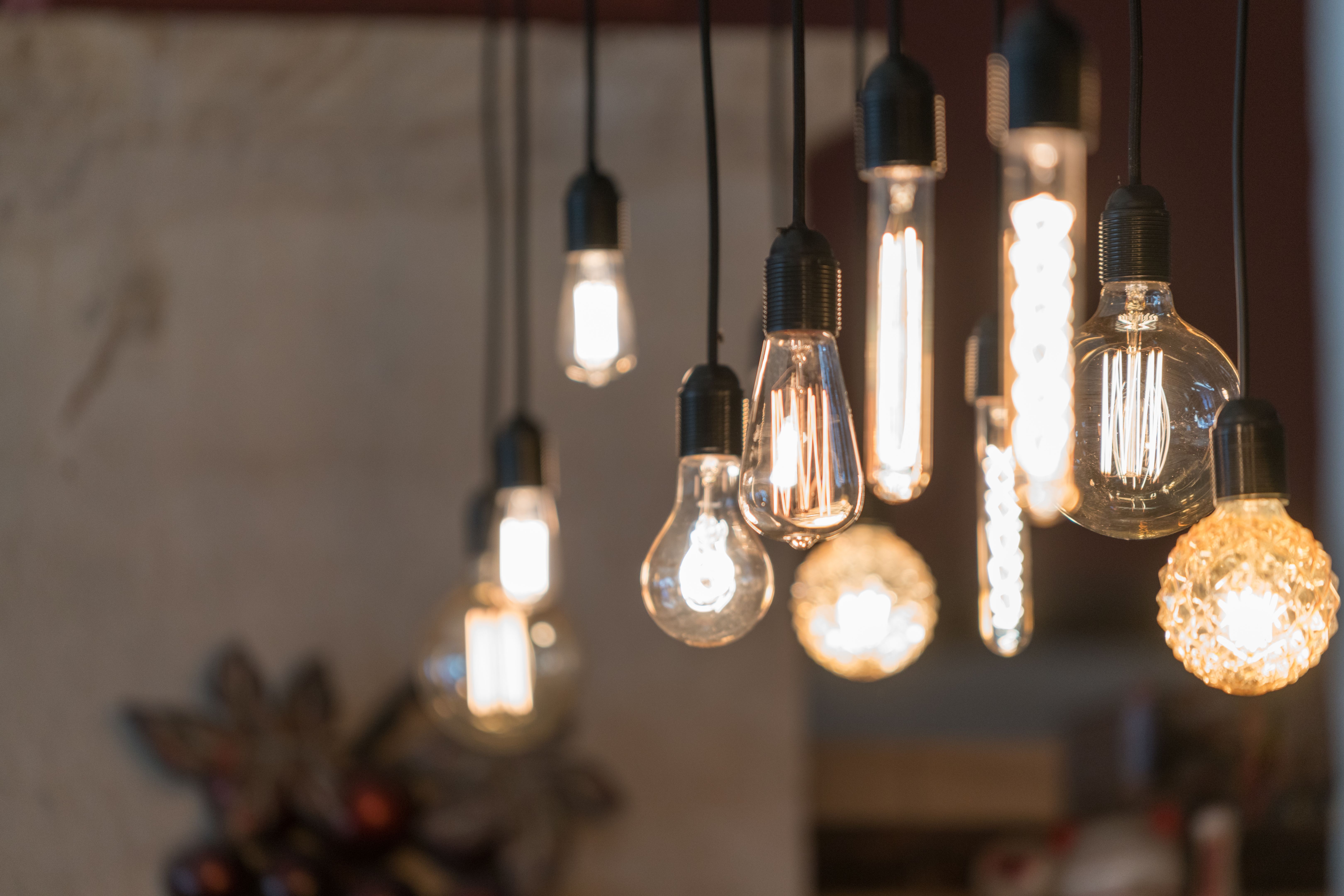
One of the most crucial elements in interior photography is lighting. Natural light can significantly enhance the ambiance of a room, highlighting its best features. However, relying solely on natural light can be a mistake, especially in Rome, where daylight can vary greatly. It’s essential to strike a balance between natural and artificial lighting to ensure that spaces are well-lit without being overly bright or harsh.
Using diffusers or reflectors can help manage light sources effectively. These tools soften harsh shadows and distribute light evenly across the room, creating a more inviting and professional look.
The Importance of Composition
Composition is another critical aspect of interior photography that should not be overlooked. A common mistake is failing to plan your shots before the session. Take time to walk around the space, examining different angles and perspectives. This will help you identify focal points and frame your shots effectively.
Remember to keep lines straight and avoid distortion. Using a tripod can help maintain stability and ensure consistent framing. Pay attention to details like furniture placement and decor, as these elements contribute to the overall composition.
Decluttering and Styling
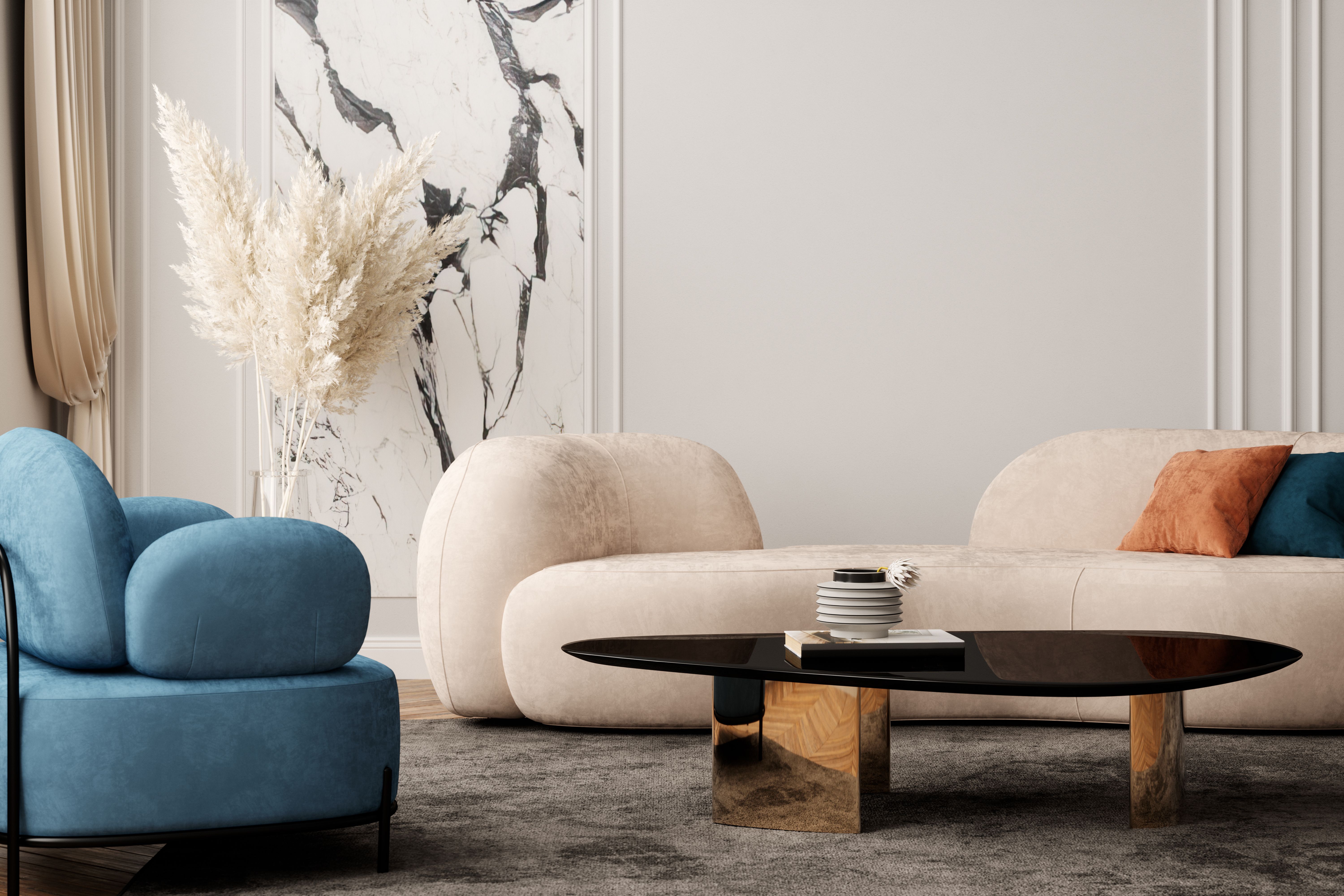
An often overlooked but essential step is decluttering the space. Remove any unnecessary items that may distract from the room’s features. A clean and organized space allows viewers to focus on the architecture and design rather than clutter.
Styling is also vital in conveying the right mood and theme. Consider adding or rearranging elements like plants, artwork, or textiles to enhance the aesthetic appeal without overpowering the space.
Post-Processing Pitfalls
Post-processing is where many photographers make the mistake of going overboard. While editing is necessary to enhance images, it’s important to maintain a natural look. Avoid excessive color saturation or contrast adjustments that can make photos appear unrealistic.
Focus on subtle enhancements that improve the image’s quality without altering its authenticity. Use editing software to correct minor imperfections and ensure that colors accurately represent the space.
Understanding Your Equipment
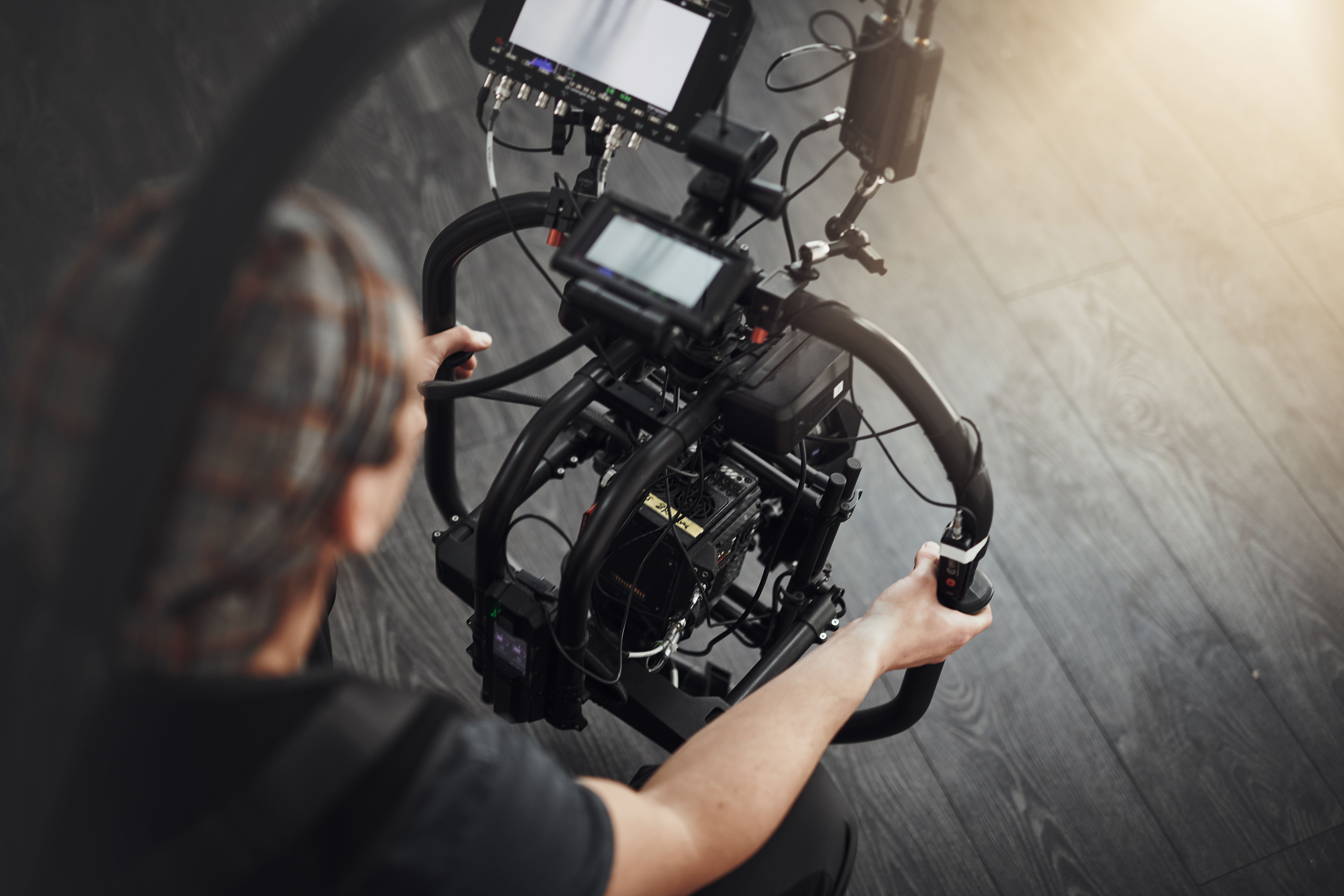
Familiarity with your equipment can make a significant difference in the quality of your interior photography. A common mistake is not fully understanding your camera’s settings or capabilities. Take time to learn about your camera’s manual settings, such as ISO, aperture, and shutter speed, which can all impact the final image.
Consider investing in a wide-angle lens, commonly used in interior photography, to capture more of the room in each shot. Be mindful of lens distortion and adjust settings accordingly to maintain image integrity.
The Role of Timing
The timing of your photography session can greatly affect the outcome. In Rome, where light conditions change throughout the day, it’s crucial to plan your shoots according to the desired lighting effect. Mid-morning or late afternoon often provides ideal lighting conditions with soft, natural light.
Avoid shooting during midday when sunlight is harshest, which can create unwanted shadows and highlights. Instead, consider scheduling sessions around “golden hour” for warm, flattering tones.
Being Prepared for Challenges
Every shoot comes with its own set of challenges, and being prepared can help mitigate mistakes. Understand that not every session will go as planned; weather changes or unexpected interruptions can occur. Have a backup plan and remain flexible in your approach.
Communication with clients is also key to managing expectations and ensuring their vision is realized. Discuss potential challenges beforehand and collaborate on solutions to create a successful session.
The Final Touches
After capturing your images, review them carefully before presenting them to clients. Ensure they meet the desired standards and align with the project’s goals. Seek feedback from peers or mentors to gain different perspectives on areas for improvement.
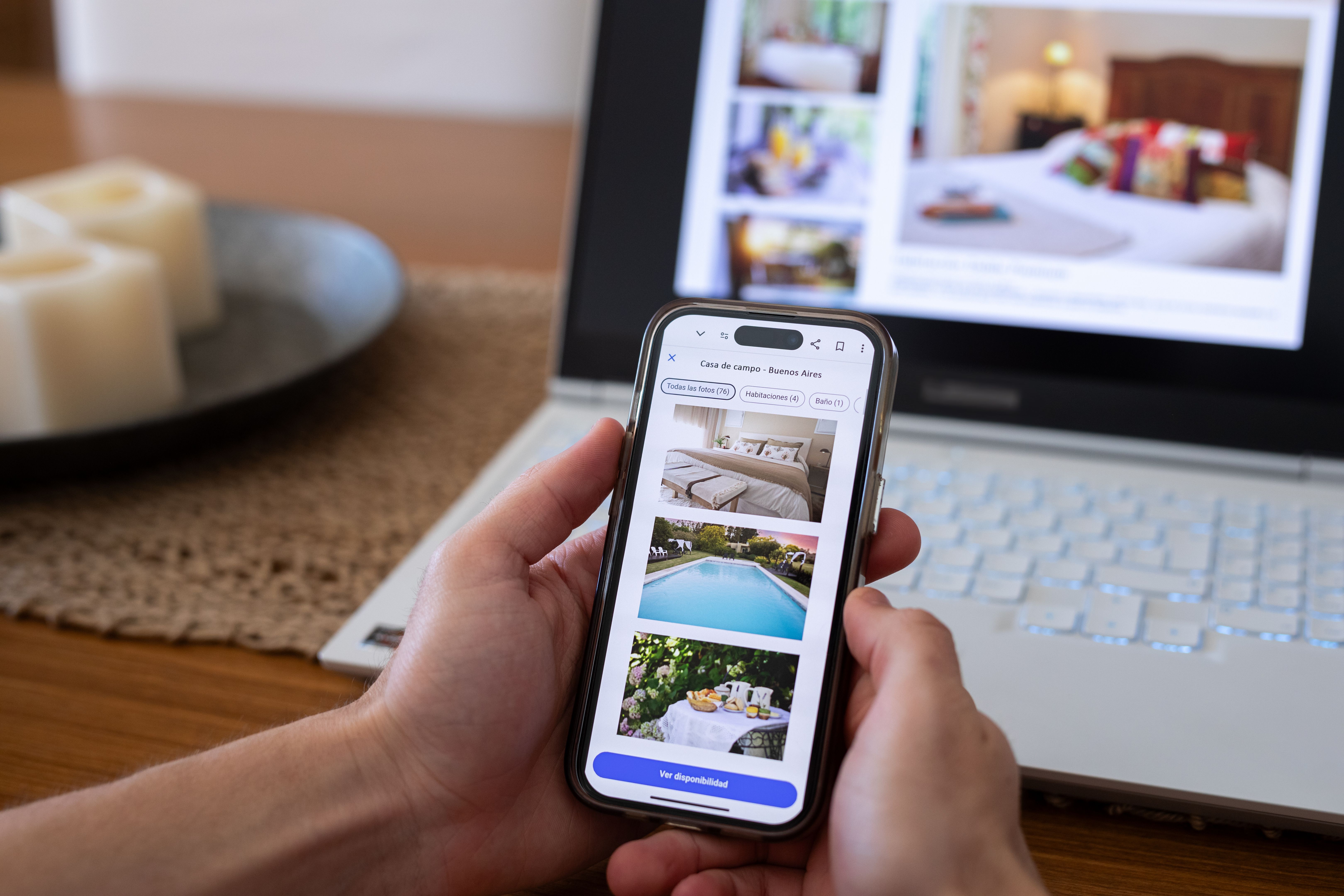
A professional presentation of your work can make a lasting impression on clients. Consider creating a portfolio or slideshow that showcases your best shots, highlighting your skills in interior photography.